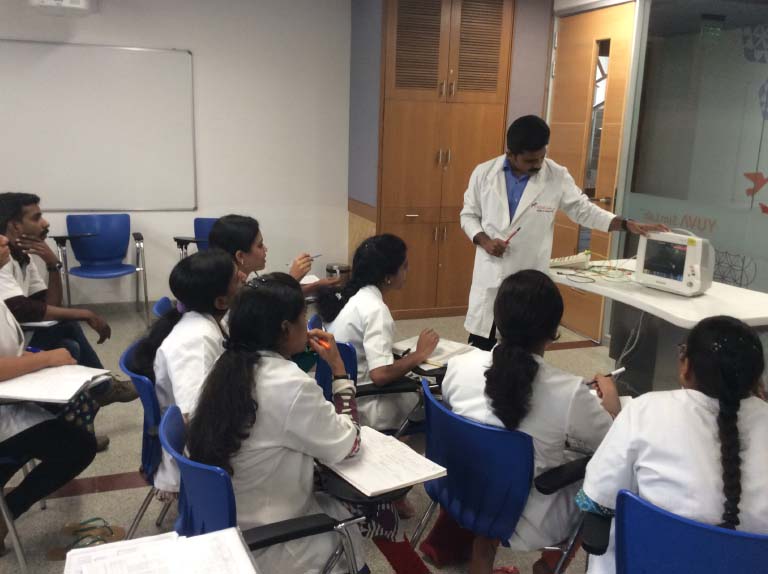
Healthcare education is entering a new era—one shaped by rapid technological advancement, evolving patient needs, and higher expectations for clinical competence. Traditional learning models alone can no longer meet the demands of modern healthcare systems. The future of healthcare education lies in experiential learning, innovation, and real-world preparedness.
At YUVA Healthcare, this future is already taking shape through immersive learning environments that bridge the gap between theory and clinical practice.
From Passive Learning to Active Experience
For decades, healthcare education relied heavily on lectures, textbooks, and limited clinical exposure. While foundational knowledge remains essential, today’s learners require hands-on experience to develop confidence and clinical judgment.
Simulation-based training is redefining how students learn by allowing them to:
- Practice real clinical scenarios in safe environments
- Apply theoretical knowledge to practical decision-making
- Learn through repetition, reflection, and feedback
This shift from passive to active learning ensures deeper understanding and long-term skill retention.
Simulation Labs: The Cornerstone of Modern Training
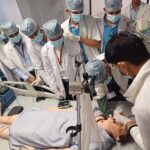
Simulation labs are becoming central to healthcare education worldwide. These labs replicate real hospital settings such as ICUs, operating rooms, emergency units, and diagnostic labs.
Through simulation training, learners gain exposure to:
- High-risk and rare clinical scenarios
- Emergency response and crisis management
- Patient safety protocols and teamwork
At YUVA Healthcare, simulation labs are designed to reflect real-world hospital workflows, ensuring learners are workplace-ready from day one.
Technology Shaping Tomorrow’s Classrooms
The future of healthcare education is being driven by technology. Advanced tools are transforming how skills are taught and assessed.
Key innovations include:
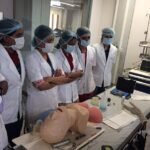
- High-fidelity manikins that simulate human responses
- Virtual and augmented reality for immersive procedural training
- Digital assessment tools for objective skill evaluation
These technologies allow students to learn faster, practice more effectively, and gain confidence before working with real patients.
Focus on Clinical Competence and Patient Safety
Modern healthcare education places strong emphasis on patient safety. Simulation-based learning allows students to make mistakes, learn from them, and improve—without risking patient lives.
This approach helps develop:
- Clinical reasoning and critical thinking
- Error recognition and prevention skills
- Confidence in handling complex situations
As healthcare systems prioritize quality and safety, such training models will become indispensable.
Team-Based and Interdisciplinary Learning
Healthcare delivery is a collaborative effort. The future of healthcare education encourages team-based training, where doctors, nurses, and allied professionals learn together.
Simulation exercises at YUVA Healthcare emphasize:
- Effective communication
- Leadership and coordination
- Understanding multidisciplinary roles
These skills are essential for improving patient outcomes in real clinical environments.
Preparing Professionals for Lifelong Learning
Healthcare is constantly evolving. The professionals of tomorrow must be adaptable and committed to lifelong learning.
Future-focused education empowers learners to:
- Stay updated with emerging practices
- Embrace innovation and change
- Continuously refine clinical skills
YUVA Healthcare fosters this mindset by creating learning environments that encourage curiosity, reflection, and professional growth.
Leading the Way Forward
The future of healthcare education is immersive, technology-driven, and centered on real-world competence. By integrating simulation labs, expert mentorship, and innovative teaching methods, YUVA Healthcare is shaping confident, capable, and compassionate healthcare professionals.
As the healthcare landscape continues to evolve, institutions that embrace immersive learning today will lead the transformation of healthcare education tomorrow.